An Integration, Not a Departure
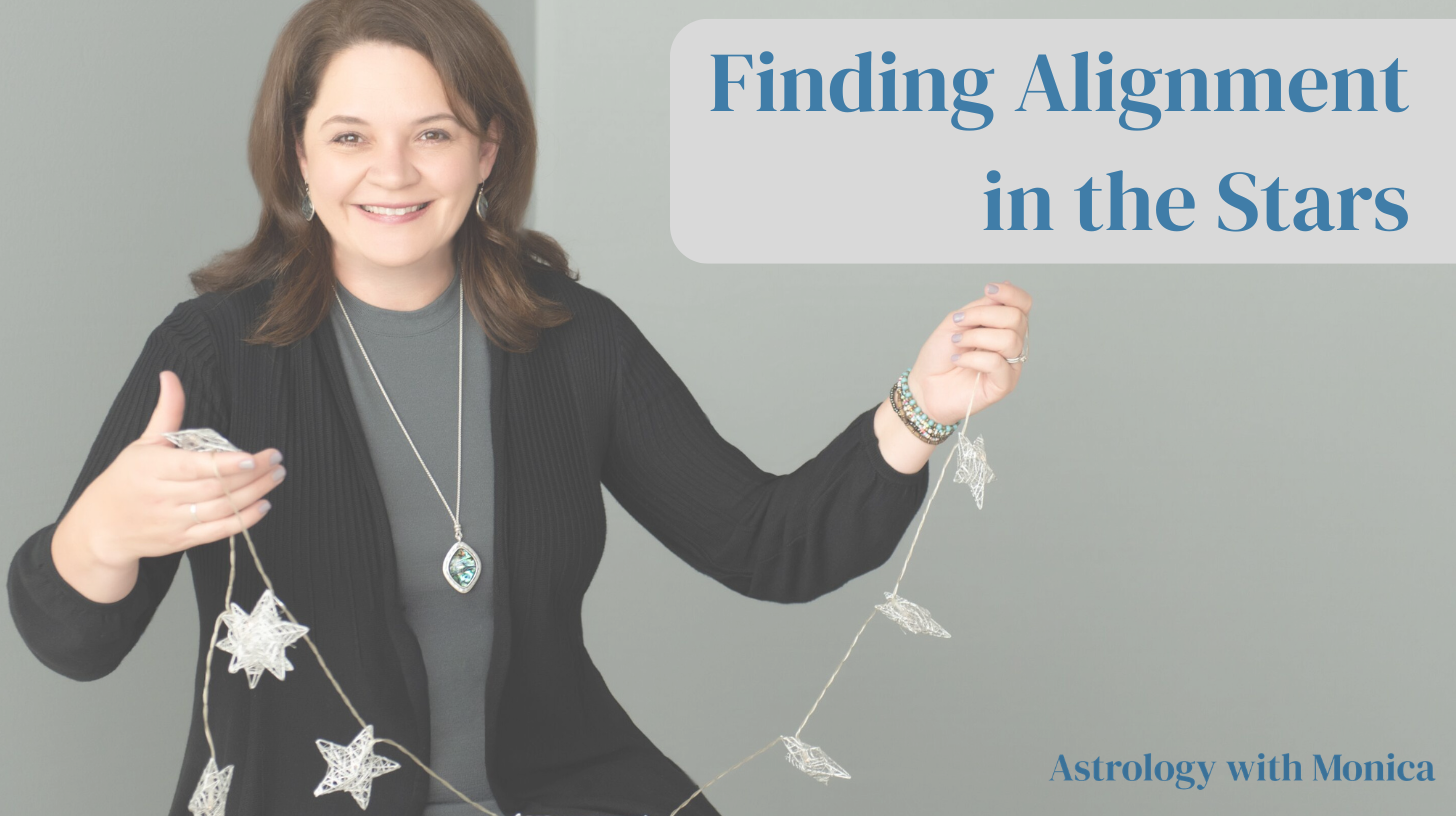
How psychology, leadership, and astrology became one path for me.
A Lifelong Curiosity
Astrology has quietly been part of my life for as long as I can remember.
For years, I followed it the way many people do, reading horoscope books, listening to astrologers, and using it as a tool for self-understanding. It was always something I loved and wished I had more time to explore.
In 2014, during a season of questioning my career and my life’s purpose, I worked with a professional career astrologer. The insights gave me chills. That single session put feelings I had carried for years into words and some of my patterns finally made sense.
What I didn’t fully appreciate at the time was how deeply astrology intersects with psychology, the field I studied in college in my early twenties and have explored for most of my adult life.
A Reignited Passion
A few years ago, my interest in astrology reignited when I discovered Pam Gregory, a UK-based evolutionary astrologer. Her discussions about collective consciousness and humanity’s evolution deeply resonated with me. These were also themes that I had explored in my own book, The Change Code.
Listening to Pam, and to her “Pambles” as she calls them, helped me remember things I already knew. It sparked a deeper curiosity that led me into the formal study of astrology, taking courses from seasoned experts including Kelly Surtees, Demetra George, and Jan Spiller.
What drew me to this tradition is that it’s specific. It isn’t vague affirmations, it’s a structured system that gives clear, grounded insight into real questions about timing, direction, and purpose.
The Hesitation I Had to Face
I’ll be honest. For years I questioned whether I could publicly claim this work. I wondered what colleagues would think. I worried that practicing astrology would somehow undermine the professional identity I had worked so hard to build. The fear wasn't about the validity of astrology. It was about perception.
The Integration
What shifted was realizing that leadership, psychology, and astrology are not in conflict for me. They are different expressions of the same core interest: understanding patterns and helping people move through them wisely. Integrating them feels authentic for me, and far more aligned than keeping them compartmentalized ever did.
My background in psychology, executive leadership, and coaching has always centered on patterns. How people change. How systems evolve. How decisions ripple outward. Writing The Change Codedeepened that fascination.
Astrology is, in many ways, the original pattern language. It maps cycles. It reveals where effort flows and where patience is required.
A Note on Jung
This is where Carl Jung comes in. Jung, the founder of analytic psychology, worked with astrological symbolism in his practice and viewed birth charts as maps of archetypal patterns. He understood archetypes as universal themes in the human psyche, the recurring stories of authority, desire, conflict, and growth that shape us across cultures and generations.
Astrology works in much the same way. The planets aren’t just physical bodies. They represent archetypal forces that play out in both the individual and the collective.
Jung was especially fascinated by synchronicity, the meaningful coincidence between our inner experience and outer events. Astrologers have long observed similar correlations between planetary cycles and the psychological seasons of life.
What resonates with me isn’t superstition. It’s pattern recognition, the idea that some seasons of life ask for endings, others for beginnings, and that these aren’t random.
The universe isn't random either. Mathematical patterns shape the unfurling of a fern, the spiral of a galaxy, the rhythm of the tides. There is a quiet intentionality woven through the design of everything, including our lives.
What I Mean by Practical Astrology
This is why I practice what I call practical astrology.
It’s grounded insight into the real questions of a life. Which parts of your chart are being activated right now, and why certain themes keep returning. Whether this is a season for building or for refining. Where your natural strengths are waiting to be used more fully, especially in your work. Where growth is asking something of you, and how to move through it. And how to know when to push and when to wait.
This isn’t about fate. It’s about awareness. Understanding your chart helps you see the landscape you’re navigating, so you can move through it with more intention and less second-guessing.
An Invitation
For me, stepping into this work publicly isn’t a departure from my past. It’s an integration of my lifelong passion for psychology, leadership, and the study of ancient cycles and systems.
If you’ve sensed that your life moves in seasons, that certain themes repeat until understood, and that timing matters, you’re not imagining it.
The sky doesn’t dictate your path. But it does describe the terrain. And learning to read that terrain is one of the most practical forms of wisdom I know.
I work with clients who want to understand their chart not just as personality, but as a guide for the season they’re in. If you’re navigating transition and want to understand what’s unfolding rather than just react to it, I offer one-on-one consultations grounded in classical astrology and real-life guidance.
This piece first appeared on my Substack. Join me there for regular reflections on practical astrology, current transits, and the patterns shaping our lives.